Стрижка газонов in 2024: what's changed and what works
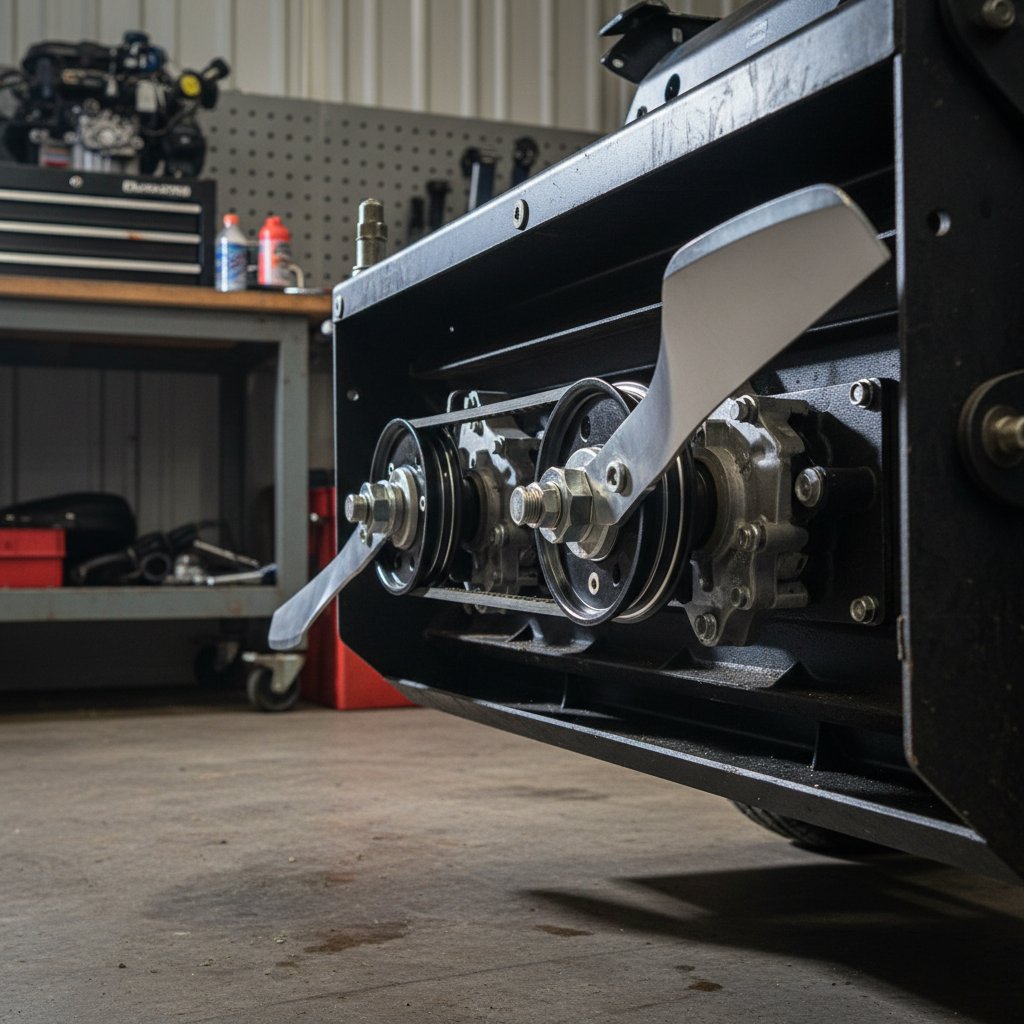
Lawn mowing has gotten a serious upgrade in 2024. Between robot mowers that actually work, new grass varieties that need less cutting, and a complete flip in how we think about lawn health, this year marks a real shift. If you're still mowing the same way you did five years ago, you're working harder than you need to.
Here's what's actually changed this year and what techniques are delivering results right now.
What's New in Lawn Care This Year
1. Robot Mowers Finally Crossed the Affordability Line
The robot mower market dropped its prices by roughly 40% compared to 2022. Models that used to cost $2,500 now run around $900-$1,200 for a quarter-acre lawn. Brands like Worx and Greenworks released budget-friendly options that don't require boundary wires—they use GPS and cameras instead. The Mammotion LUBA 2, for example, handles slopes up to 75% and costs under $1,000.
These aren't toys anymore. The newer models cut in random patterns that actually improve grass health by preventing wear tracks. They mulch continuously, which means you're feeding your lawn tiny clippings every other day instead of dumping massive clumps once a week. Installation takes about two hours if you go wireless, and most run quietly enough that neighbors won't complain when they operate at 7 AM.
2. The One-Third Rule Got Replaced
Forget cutting only one-third of the grass blade at a time. New research from turf management programs shows that cutting height matters more than cutting frequency. Kentucky bluegrass thrives at 3-3.5 inches now, not the 2-inch crew cut everyone aimed for in the past.
Taller grass shades out weeds, develops deeper roots, and stays greener during dry spells. You can actually mow less often—every 7-10 days instead of every 5-6 days—and get better results. The catch? Your mower blades need to be sharp. Dull blades tear tall grass instead of cutting it cleanly, which opens the door to disease. Sharpen every 8-10 hours of mowing time, or roughly every month if you're cutting weekly.
3. Battery Technology Changed the Game for Cordless Mowers
Lithium-ion batteries in 2024 run 60-80 minutes on a single charge for walk-behind mowers, up from 35-45 minutes just three years back. EGO's Z6 zero-turn runs for 2.5 hours and recharges in 90 minutes. That's enough to handle two acres without stopping.
The real shift? These batteries now work across entire tool ecosystems. Buy one 56V battery system and run your mower, trimmer, blower, and chainsaw off the same packs. No more mixing gas, no engine maintenance, no pull-cord wrestling matches. The upfront cost runs higher—expect $600-$800 for a quality battery mower versus $300 for gas—but you'll save roughly $75 annually on fuel and maintenance.
4. Clover Lawns Went Mainstream
Microclover mixed into traditional grass seed became the default for new lawns this year. It fixes nitrogen from the air, which means you can cut fertilizer applications by 50-70%. The clover stays low and green without much mowing—it tops out around 4-6 inches and looks intentional rather than neglected.
This isn't your grandmother's clover patch. Microclover varieties like Pipolina have leaves one-third the size of standard white clover. They blend seamlessly with fescue or ryegrass. Mowing every two weeks works fine, and the lawn stays green even when you skip watering during heat waves. Seed costs about $12 per pound, and you need roughly 5-8 pounds per 1,000 square feet when overseeding an existing lawn.
5. Mulching Became Non-Negotiable
Bagging clippings is out. Mulching them back into the lawn adds the equivalent of one fertilizer application per year—about $60 worth of nitrogen that you'd otherwise buy in a bag. The clippings decompose in 3-4 days when cut properly, and they don't cause thatch buildup like people feared.
Modern mulching blades create more suction and cut grass into smaller pieces than older designs. The key is mowing when grass is dry and never removing more than an inch at a time. If you let it grow too tall between cuts, you'll end up with clumps that smother the lawn underneath. Wet grass clogs mulching decks, so wait until afternoon when dew has dried.
6. Smart Irrigation Systems Talk to Your Mower Schedule
Rachio and other smart sprinkler controllers now integrate with mowing schedules through apps. The system won't water the night before your scheduled mowing day, which prevents that annoying wet-grass situation. Some setups pause watering automatically when rain exceeds a quarter-inch.
The data shows this matters. Lawns watered deeply twice a week (1-1.5 inches total) develop roots 3-4 inches deeper than lawns watered lightly every day. Deeper roots mean you can push mowing heights higher and mow less often. Controllers run $150-$250 installed, and they typically cut water usage by 30%, paying for themselves in two seasons in most climates.
The Bottom Line
Lawn care in 2024 requires less work, less water, and less money than the old approach—but only if you're willing to rethink some basics. Taller grass, sharper blades, and letting technology handle the repetitive stuff frees up your weekends. The lawns that look best right now aren't getting more attention. They're getting smarter attention.