Qicufi provides expert lawn mowing and maintenance in London. Regular cutting schedules, precise edging, and healthy grass care for residential and commercial properties.

Frequently Asked Questions

Find answers to common questions about lawn mowing services. Our team at Qicufi provides detailed information to help you make informed decisions about maintaining your grass areas.

The frequency depends on grass growth rate, which varies with weather and season. During peak growing months from April to September in the UK, most lawns benefit from cutting every 7 to 10 days. In spring and autumn, when growth slows, intervals of 10 to 14 days work well.

Factors affecting frequency include grass type, rainfall, temperature, and fertilisation. Ryegrass grows faster than fescue, requiring more frequent attention. Regular cutting at appropriate intervals maintains lawn health and prevents stress from removing too much blade length at once.

Standard residential lawns perform best when maintained at 25-40mm height. This range allows grass to develop strong roots while maintaining attractive appearance. Cutting too short weakens plants and encourages weed growth.

Ornamental lawns can be kept shorter at 15-25mm for formal appearance, though this requires more frequent maintenance. Shaded areas benefit from slightly taller grass at 40-50mm, helping blades capture available light. Never remove more than one-third of blade height in a single cut to avoid stressing plants.

Both approaches have merit depending on circumstances. Leaving clippings returns nutrients to soil, reducing fertiliser needs by approximately 25%. Short clippings from regular cutting decompose quickly without forming thatch.

Collection is preferable when grass is wet, excessively long, or contains weed seeds. Collected material makes excellent compost when mixed with other organic matter. During disease outbreaks, removing clippings prevents spreading pathogens. For neat appearance before events, collection provides cleaner finish.

While possible, cutting wet grass presents several challenges. Wet blades clump together, producing uneven results and potentially clogging equipment. Mower wheels can compact saturated soil, causing long-term damage to root systems and drainage.

When necessary to cut damp grass, raise cutting height slightly and proceed slowly to improve results. Clean equipment thoroughly afterwards to prevent rust and disease transmission. Ideally, wait until morning dew evaporates or grass dries after rain. Scheduling flexibility helps avoid wet conditions.

We maintain a range of commercial-grade rotary and cylinder mowers suited to different lawn sizes and conditions. Rotary mowers handle varied terrain and longer grass effectively, while cylinder mowers provide superior finish on level ornamental lawns.

All equipment receives regular servicing with blade sharpening every 25 operating hours. Sharp blades cut cleanly rather than tearing, reducing disease risk and improving appearance. For small or restricted areas, we use lightweight mowers that minimise soil compaction. Strimmers handle edges and obstacles where mowers cannot reach.

Grass growth slows considerably from November through February, requiring less frequent attention. We continue maintenance during mild spells when grass actively grows and ground conditions permit. Winter cutting prevents excessive length that can harbour disease.

Services adapt to seasonal needs, with intervals extending to 3-4 weeks or longer during dormant periods. We avoid cutting frozen grass or working on waterlogged ground to prevent damage. Winter visits also provide opportunity to inspect lawn condition and plan spring renovation work.

Pricing depends on lawn size, access, terrain complexity, and service frequency. A typical residential garden of 100 square metres costs £25-35 per visit including edging and clearing. Larger properties benefit from economies of scale with lower per-square-metre rates.

Regular contracts with fortnightly visits throughout the season offer better value than one-off cuts. Additional factors affecting cost include distance from our base, presence of obstacles requiring extra trimming, and whether clippings need removal. We provide free site assessments with detailed written quotes valid for 30 days.

Our primary service area includes Islington, Camden, Hackney, and surrounding North London boroughs. We regularly work in neighbourhoods such as Angel, Highbury, Stoke Newington, and Kentish Town. This geographical focus allows reliable scheduling and prompt response to customer needs.

For properties outside our core area, we assess feasibility based on lawn size and service requirements. Larger gardens or ongoing contracts justify extended travel. Contact us with your postcode for confirmation of service availability and any applicable travel charges.

Your presence is not required for routine maintenance. Most customers prefer us to work while they are at their workplace or running errands. We need access to the garden and an outdoor tap for equipment cleaning when necessary.

Before starting regular service, we arrange an initial meeting to discuss preferences, identify any sensitive plants or areas, and note gate codes or access instructions. We notify you by text when arriving and departing. Payment can be arranged through bank transfer or online methods, eliminating need for in-person transactions.

Light rain does not automatically cancel service, as brief showers often pass quickly. We monitor weather forecasts and assess conditions on arrival. Heavy rain or saturated ground conditions lead to rescheduling to protect your lawn from compaction damage.

When postponement is necessary, we contact you promptly and arrange an alternative date within the same week when possible. Regular customers on fortnightly schedules have flexibility built into planning. Our goal is consistent service while prioritising lawn health over rigid adherence to calendar dates.

We carefully manoeuvre around fixed features, permanent planters, and heavy items. Lightweight furniture, children's toys, and movable decorations should be cleared before our arrival to ensure thorough coverage and prevent accidental damage.

For items you prefer to remain in place, we trim around them as closely as possible and use strimmers for finishing. Excessive obstacles increase service time and may affect pricing. Discussing your garden layout during initial consultation helps establish clear expectations and efficient workflow.

Standard service includes trimming edges along paths, patios, and borders using strimmers or edging tools. This defines lawn boundaries and creates neat appearance. We remove grass encroaching onto hard surfaces and maintain clean lines.

Formal edge cutting to reshape borders is available as additional service, typically needed 2-3 times per season. This involves using half-moon edgers to cut vertical faces along lawn perimeters. The process is more time-intensive than routine edging and is quoted separately based on linear metres requiring attention.

Clear any debris, fallen branches, and accumulated leaves before the first spring cut, usually in March or early April. Check for and mark any new hazards like protruding tree roots or uneven areas that developed over winter.

The initial cut should be at higher setting than summer height, removing only the top third of growth. Grass emerging from dormancy needs time to strengthen before closer cutting. If the lawn grew significantly over winter, consider an interim cut at very high setting before resuming normal schedule.

While our primary focus is cutting and maintenance, we identify common issues during regular visits and provide recommendations. Bare patches often result from compaction, shade, or wear patterns that proper cutting alone cannot resolve.

We can advise on overseeding timing, aeration needs, and basic weed control strategies. For comprehensive lawn treatment including fertilisation, scarification, or pest management, we can recommend specialist contractors. Maintaining correct cutting height and frequency forms the foundation of healthy turf that naturally resists many problems.

We take care to protect planted areas while maintaining clean edges. Mowers stay on grass with wheels clear of beds. Strimmers are used with guards to prevent debris from damaging plants. We work at appropriate distance from delicate specimens.

Overhanging plants may require temporary support or tying back for access underneath. Informing us about particularly sensitive or valuable plants helps us adjust technique. Installing physical edging strips creates clear boundaries that simplify maintenance and reduce risk to border plants.

For one-off appointments, we request 24 hours notice for cancellations or rescheduling without charge. Late cancellations may incur a fee covering travel and scheduling costs, typically 50% of the service price.

Regular contract customers can pause service during holidays or temporarily unsuitable conditions without penalty. We require notification by the day before scheduled visit. For permanent service termination, one week's notice allows us to adjust schedules. Flexible communication helps us maintain reliable service for all customers.

Yes, we maintain comprehensive public liability insurance covering up to £2 million for property damage and injury claims. This protects both our team and customers during service delivery. Insurance certificates are available on request.

Our equipment undergoes regular safety inspections and maintenance. Staff receive training in safe operating procedures and risk assessment. While incidents are rare with proper precautions, insurance provides peace of mind. We also carry tool insurance covering equipment theft or damage during work.

Striped patterns are created by bending grass blades in opposite directions, which requires cylinder mowers with rear rollers. This effect works best on fine-leaved grasses like ryegrass and fescue maintained at appropriate height.

We can provide striped finish on suitable lawns for additional fee reflecting extra time and specialised equipment. Pattern direction typically alternates each cut to prevent grain development. Achieving clear stripes requires level ground, regular maintenance, and proper mowing technique. Discuss this option during consultation to assess your lawn's suitability.

Contact us by phone at +44 20 8375 9142 or email [email protected] to arrange a free site visit. We assess your lawn, discuss requirements and preferences, and provide a written quote. There is no obligation to proceed.

Once you accept the quote, we schedule your first appointment at a mutually convenient time. For regular service, we establish a recurring schedule fitting your needs. Payment terms and access arrangements are confirmed before starting. Most new customers are accommodated within one week of initial contact.

We focus on consistent, reliable service with attention to lawn health rather than just cutting grass. Equipment is maintained to high standards with sharp blades and proper adjustment. We adapt technique to seasonal conditions and individual lawn characteristics.

Communication is straightforward with confirmed appointments, prompt arrival notifications, and responsive customer service. Pricing is transparent with no hidden charges. Our team has been working in North London gardens since 2018, developing knowledge of local grass types, soil conditions, and climate patterns that affect maintenance requirements.

About Qicufi

Qicufi began operations in 2015 when three landscape professionals with backgrounds in horticulture and grounds maintenance decided to establish a dedicated lawn care service in London. Operating from our base on Colebrooke Row, we provide grass cutting services to residential properties and commercial sites across the capital.
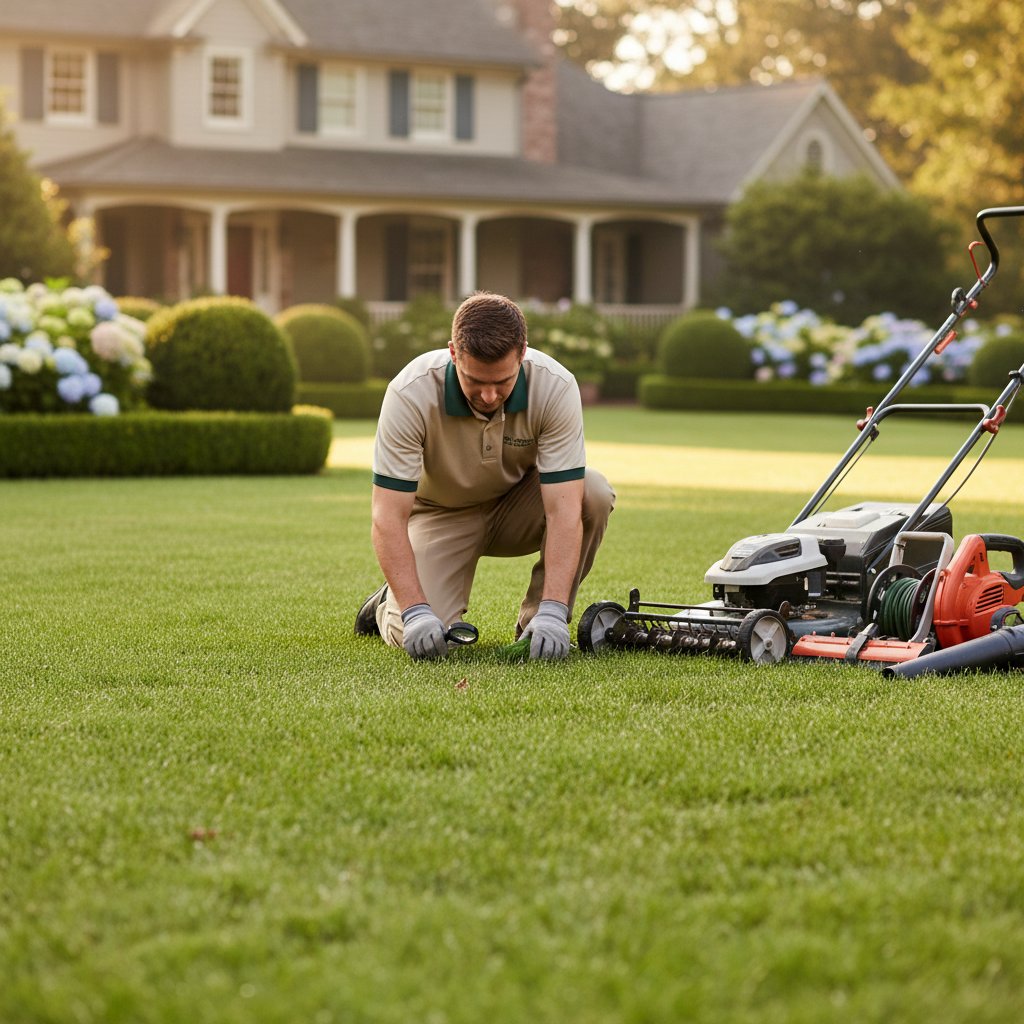
Lawn mowing service in London

Our Background

The company started with two cylinder mowers and a small van. We focused on residential gardens in North London, establishing regular maintenance schedules for 30 properties in the first year. By 2018, we had expanded our equipment range to include rotary mowers, strimmers, and edging tools suitable for various grass types and garden sizes.

Today, our team includes eight trained operators who service approximately 200 regular clients. We maintain lawns ranging from small urban gardens to larger estate grounds, adapting our approach based on grass species, soil conditions, and seasonal growth patterns.
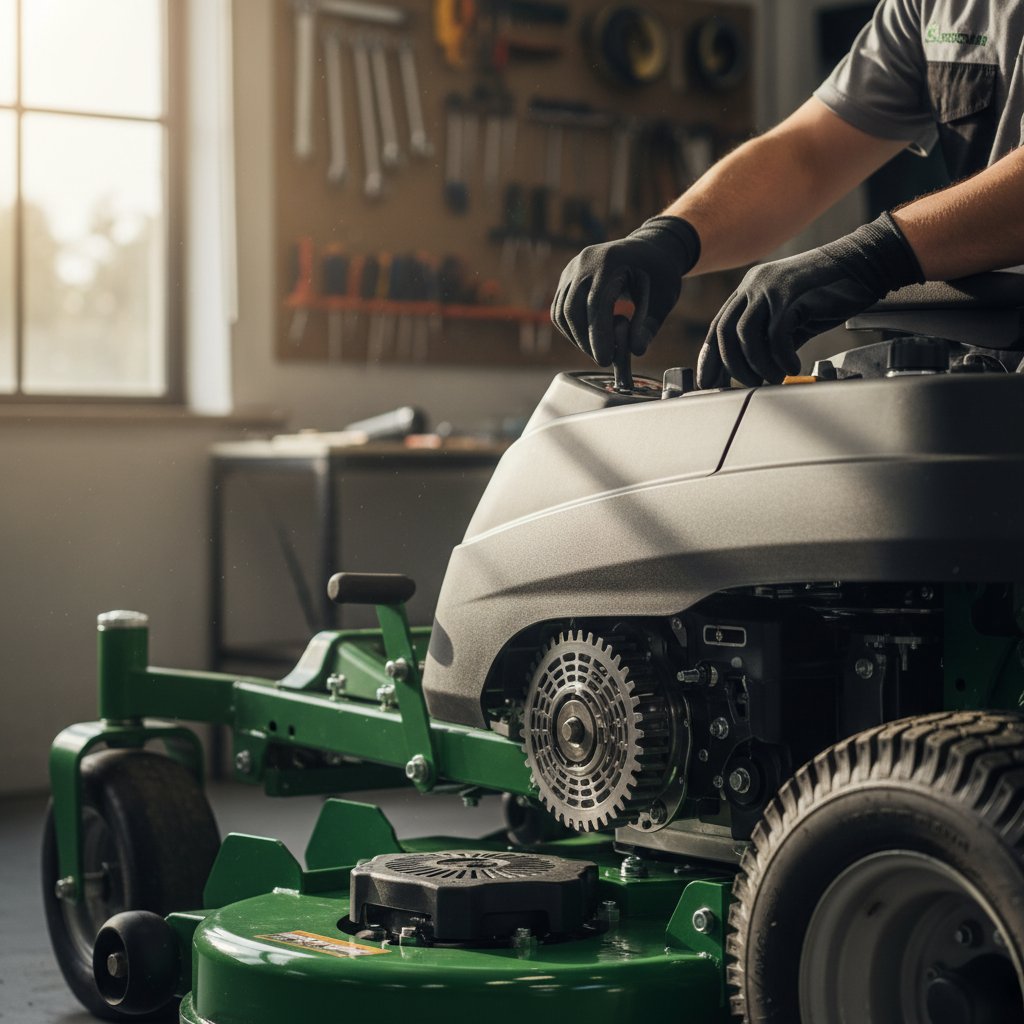
Professional grass cutting equipment

What We Do

Our work involves regular grass cutting during the growing season, typically from March through October. We adjust cutting height based on weather conditions and grass health, maintaining appropriate blade sharpness to ensure clean cuts that reduce stress on the turf.

Each property receives a tailored schedule. Some clients require weekly visits during peak growth, while others need fortnightly maintenance. We also provide edge trimming, grass collection, and basic lawn assessment as part of our standard service.

Our Approach

Reliability

We maintain consistent visit schedules throughout the season, with advance notification if weather conditions require adjustments. Our booking system tracks every property's specific requirements and previous service dates.

Practical Service

We use equipment appropriate for each lawn type and size. Our operators follow established cutting patterns to avoid turf damage and ensure even results. Equipment is serviced regularly to maintain performance standards.

Clear Communication

Clients receive straightforward information about service timing, pricing, and any lawn issues we observe. We provide written schedules and respond to enquiries within one business day during our operating hours.