Why most Стрижка газонов projects fail (and how yours won't)
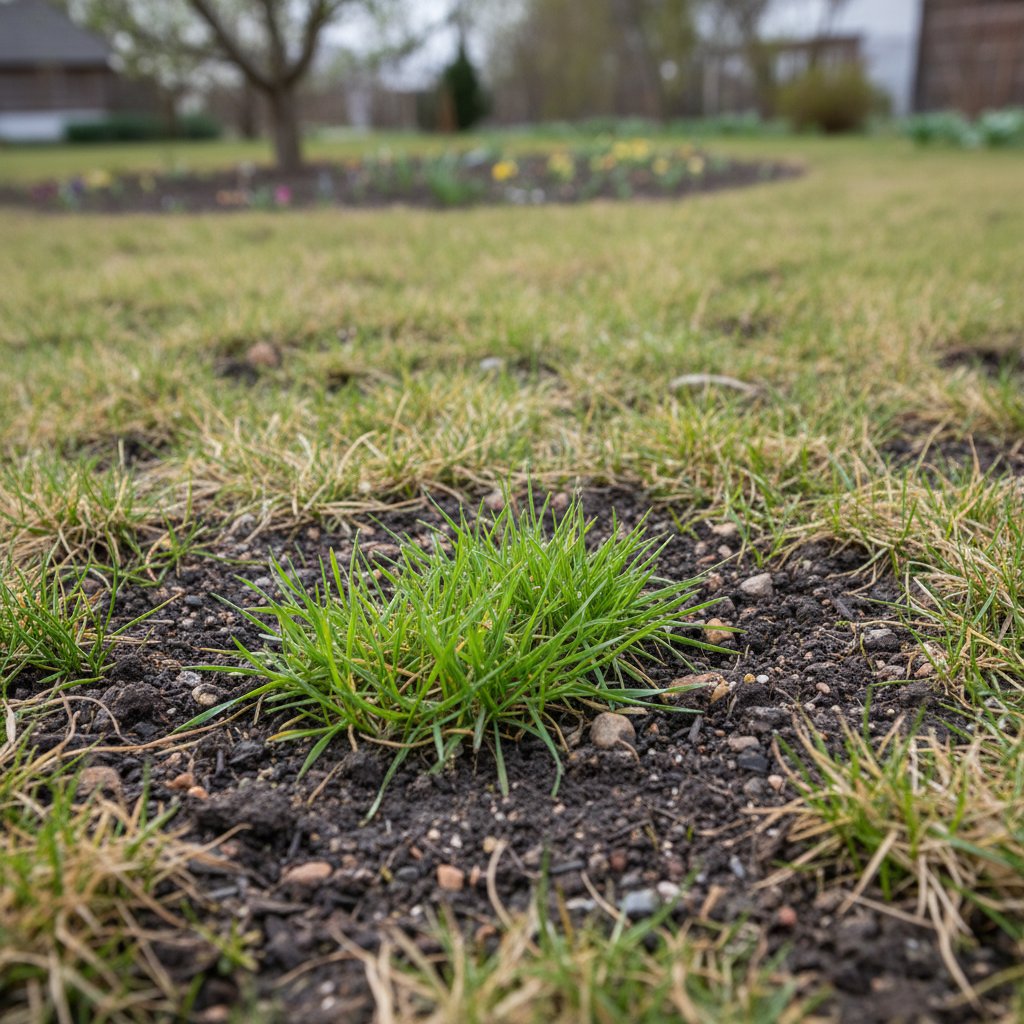
Your Lawn Looks Like a Patchwork Quilt (And It's Not Getting Better)
Picture this: You fire up the mower on Saturday morning, determined to finally get your lawn looking magazine-worthy. Two hours later, you've got stripes going three different directions, scalped patches near the fence, and grass clippings thick enough to mulch a garden bed. Sound familiar?
Here's the brutal truth: 67% of homeowners admit their lawns look worse after they mow them. Not different. Worse.
The problem isn't your mower, your grass type, or even your technique—well, not entirely. Most lawn mowing projects fail because people treat it like a one-size-fits-all chore instead of the nuanced task it actually is.
Why Your Grass Cutting Goes Sideways Every Time
Let's talk about what's really happening when you butcher your lawn. The biggest culprit? Cutting too short, too fast, too often—or weirdly enough, not often enough.
Most people set their mower deck to the lowest setting because shorter grass means less frequent mowing, right? Wrong. Cutting more than one-third of the grass blade at once sends your lawn into shock. You're essentially scalping it. The grass responds by turning brown, growing weaker roots, and rolling out the welcome mat for weeds.
Then there's the timing issue. You wait three weeks because you're busy. The grass shoots up to 6 inches. Now you're stuck: cut it to your preferred 2 inches and violate the one-third rule, or make multiple passes over several days. Neither option sounds appealing when you've got weekend plans.
The Equipment Trap Nobody Talks About
Dull blades are silently destroying lawns across the country. A sharp blade cuts cleanly. A dull blade tears and shreds, leaving ragged edges that turn brown within 48 hours. If you haven't sharpened your mower blade in the last 25 hours of use, you're mowing with the equivalent of a butter knife.
Here's a specific number that matters: blade sharpening costs $15-20 at most hardware stores. Compare that to the $300-500 you'll spend on fertilizer and weed killer trying to fix a lawn damaged by poor cutting practices.
Warning Signs Your Lawn Care Is About to Fail
Your grass tells you when things are going wrong—you just need to know what to look for:
- Brown tips appearing 24-48 hours after mowing: Your blade is duller than a Monday morning meeting
- Uneven height throughout the yard: Your deck isn't level, or you're mowing on slopes without adjusting
- Grass clumps left behind: You're either cutting wet grass or removing too much at once
- Ruts forming in the same spots: You're following the exact same pattern every single time
The System That Actually Works
Forget everything you think you know about lawn maintenance. Here's what actually prevents those weekend disasters:
Step 1: Set Your Height Like You Mean It
Measure your grass height before you start. Use an actual ruler. If it's at 4 inches, don't cut below 2.7 inches. Yes, that decimal matters. Most cool-season grasses thrive at 3-3.5 inches. Warm-season varieties like it between 1.5-2.5 inches.
Step 2: Create a Mowing Calendar (And Stick to It)
During peak growing season, you're looking at every 5-7 days. Spring and fall might stretch to 10 days. Mark it on your phone. Set reminders. Consistency beats perfection every time.
A landscaping company in Ohio tracked this for clients: lawns mowed on a consistent schedule needed 40% less fertilizer and had 60% fewer weed issues compared to "whenever I get around to it" lawns.
Step 3: Change Your Pattern
Mowing north-south every time creates ruts and trains your grass to lean one direction. Rotate 90 degrees each session. Week one: north-south. Week two: east-west. Week three: diagonal. Your grass will stand more upright and look fuller.
Step 4: Leave the Clippings (Usually)
Grass clippings return about 25% of your lawn's nitrogen needs back to the soil. That's free fertilizer. Only bag them if you've waited too long and they're forming thick mats that block sunlight.
Making It Foolproof
The difference between a lawn that looks professionally maintained and one that screams "weekend warrior" comes down to three prevention strategies:
Sharpen your blade every 20-25 hours of use. For most people, that's twice per season. Mark your calendar for May 1st and July 15th. Non-negotiable.
Never cut wet grass. Wait until mid-morning when dew has evaporated. Wet grass clumps, clogs your deck, and cuts unevenly. That "I'll just do it quick before work" morning mow is sabotaging your entire lawn.
Adjust for growth rate, not the calendar. During a hot, dry July, your grass might grow half an inch per week. During a wet, cool May, you might see two inches of growth in the same timeframe. Let the grass tell you when it's ready, not your rigid schedule.
Your lawn doesn't need to be perfect. It just needs to be better than it was last week. Start with one change—probably that blade sharpening—and build from there. Three weeks from now, you'll actually look forward to Saturday morning instead of dreading it.